
Common name: Wild Mignonette
Scientific name: Reseda lutea 黃木犀草, 細葉木犀草
Genus: Reseda 木樨草屬, 木犀草屬
Family: Resedaceae 木樨草科, 木犀草科 mignonette family
Remarks*:
Origin: native
Date: 16th July

387 An erect, much-branched, more or less glabrous biennial or perennial, can reach up to 75cm.

386 Stem leaves deeply lobed, with narrow segments. (Rosette leaves soon withering.)

391 The inflorescence with flowers open from the bottom.

392 This inflorescence has already the lowest flowers turning into fruits.

384 Closer look of the inflorescence showing different stages of flowers an fruits.
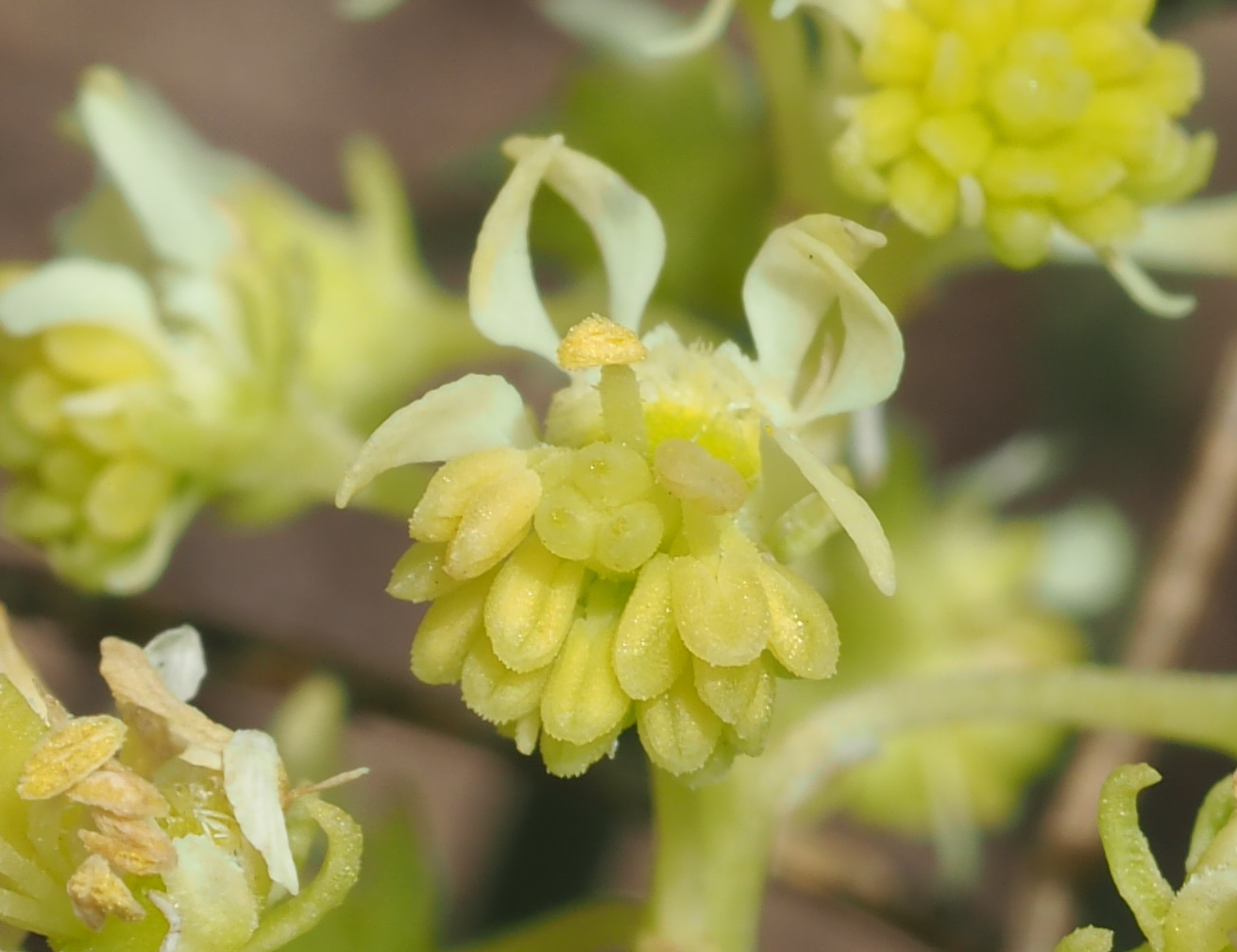
375 Flower 6mm across; back and side petals lobed (see the white structures above). A lot of stamens surrounding the central three-lobed stigma.

380 Another view of the flower showing the white deeply cleft petals, a lot the stamens and the central three-lobed stigma.

378 The white petals could be clearly seen deeply cleft.

379-1 Side view of a young flower showing the sepals and the white cleft petals. There are 6 sepals and petals.

379-2 Six sepals could be clearly seen above.

384 A later stage of flower with some of the petals start withering.

381-1

381-2 The central stigma with the ovary is swollen, turning into fruit.

373 Fruiting....turning to an oblong capsule.

374 Old split open capsules.


